Welcome to The Creatrix.
Mindfulness-Based Stress Reduction: A Path to Inner Peace
Dawn Cannon | JAN 29, 2025
balanced life
stress management tools
burnout prevention
mindfulness-based stress reduction (mbsr)
breath as a tool
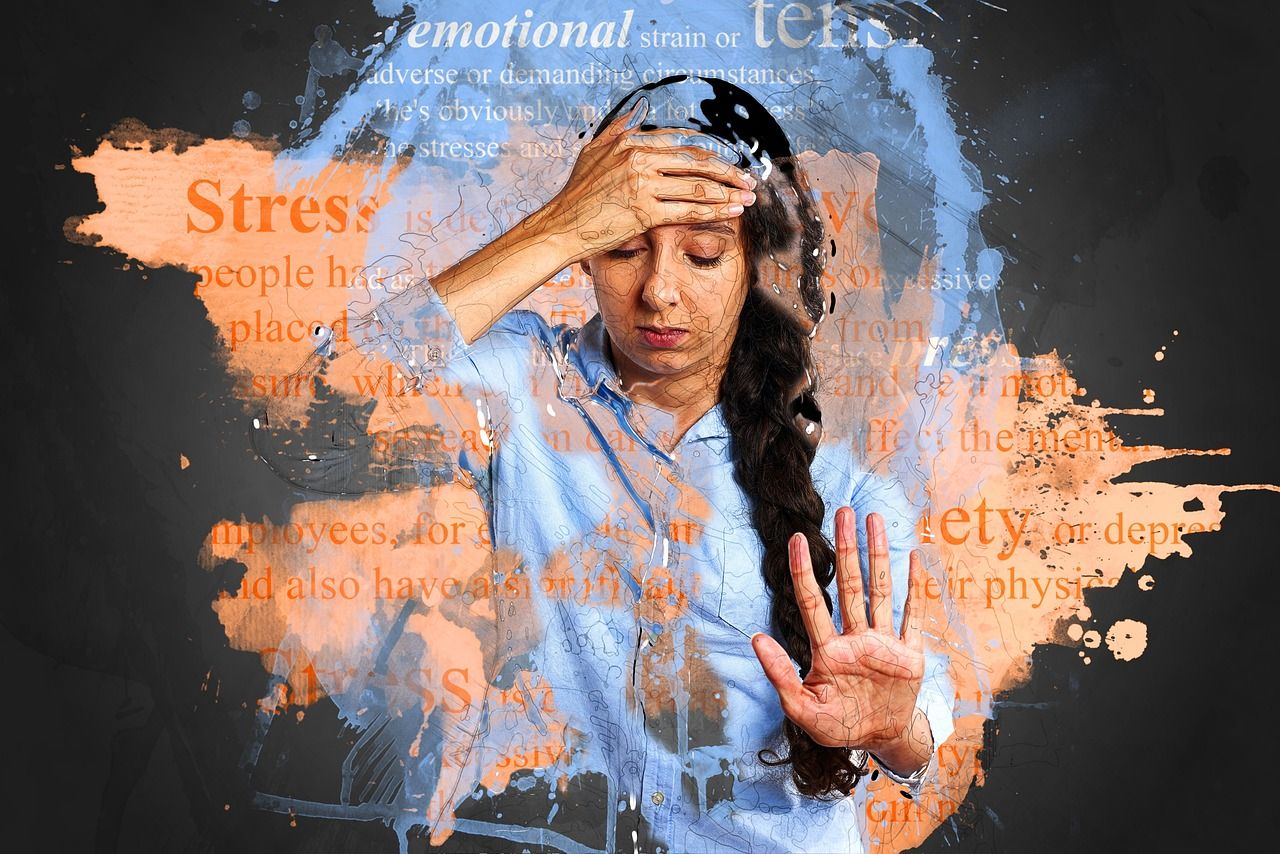
Stress has become an unavoidable part of modern life. Deadlines, responsibilities, and the fast-paced nature of our world often leave us feeling overwhelmed. While stress is a natural response to challenges, prolonged exposure can manifest in various physical, emotional, and mental symptoms. These may include muscle tension, headaches, digestive issues, anxiety, irritability, and difficulty focusing. Over time, chronic stress can take a toll on overall well-being, making it essential to find ways to manage and reduce its impact.
In 2017, I found myself gripping the steering wheel so tightly my knuckles turned white. The highway ahead blurred as my chest tightened—another panic attack, another morning commute spent trying to force myself to breathe. The weight of my executive responsibilities felt unbearable, yet I refused to slow down. Stress was winning, and my response was to push harder, prove I was okay by doing more, achieving more, staying in control.
A therapist I worked with at the time kept encouraging me to pause, to recognize that my PTSD symptoms were amplifying under relentless stress. She told me, over and over, that my body was begging for rest, that healing wouldn’t come through force. But I couldn’t hear it—not at first. Meditation sounded impossible. The idea of sitting still with my thoughts felt like just one more thing I’d fail at.
But one day, I tried. Not a full meditation—just a minute of deep breathing at a stoplight. Then, another day, a two-minute body scan before bed. Slowly, something shifted. I wasn’t ‘fixing’ myself, but I was noticing myself. The tension in my shoulders, the shallow breaths, the constant state of alertness. Awareness crept in before change did.
It wasn’t until I fully committed to a yoga practice that I understood the power of mindfulness, but those early moments—those tiny, accessible mindfulness practices—were the bridge. They cracked the door open to a different way of being.
I didn’t know it then, but what I was stumbling into was Mindfulness-Based Stress Reduction (MBSR)—a practice designed specifically to help people like me, those caught in the storm of stress and survival mode. Developed by Jon Kabat-Zinn, MBSR offers simple, accessible techniques to bring awareness to the present moment and transform how we respond to stress.
What is Mindfulness-Based Stress Reduction?
Mindfulness-Based Stress Reduction (MBSR) is an evidence-based program developed by Dr. Jon Kabat-Zinn in the late 1970s. It integrates mindfulness meditation and gentle movement practices to cultivate present-moment awareness and enhance one’s ability to respond to stress with greater clarity and balance. Rather than avoiding or suppressing stress, MBSR encourages individuals to observe their thoughts and emotions with curiosity and non-judgment, creating space for conscious responses rather than automatic reactions.
The Work of Jon Kabat-Zinn
Dr. Jon Kabat-Zinn, a professor emeritus at the University of Massachusetts Medical School, is considered the pioneer of MBSR. He introduced mindfulness into clinical settings to support patients dealing with chronic pain, anxiety, and stress-related disorders. His groundbreaking book, Full Catastrophe Living, outlines the principles of MBSR and has guided countless individuals in harnessing the power of mindfulness to navigate life’s difficulties. His work has demonstrated that mindfulness can significantly reduce stress, enhance emotional resilience, and improve overall health.
Popular Exercises and Techniques in MBSR
MBSR incorporates several foundational practices that encourage greater self-awareness and stress reduction:
- Mindful Breathing: Focusing on the breath as an anchor to the present moment, helping to calm the nervous system and regulate emotions.
- Body Scan Meditation: A guided practice that involves bringing awareness to different parts of the body, releasing tension, and fostering relaxation.
- Mindful Movement: Gentle yoga or stretching movements performed with awareness and intention.
- Loving-Kindness Meditation: Cultivating compassion for oneself and others by silently repeating phrases of well-being and kindness.
- Informal Mindfulness Practices: Integrating mindfulness into everyday activities, such as eating, walking, or listening, by being fully present and engaged in the moment.
What is the Role of Yoga in MBSR?
Yoga and mindfulness share a profound connection. Yoga is not only a physical practice but also a meditative one, guiding practitioners to unite breath, movement, and awareness. Engaging in yoga as part of MBSR fosters a deeper connection with the body, enhances self-regulation, and reduces tension. Trauma-informed yoga, in particular, provides a safe and supportive environment for individuals to reconnect with their bodies and emotions without judgment. Through gentle asanas (postures), breathwork, and meditation, yoga becomes a powerful tool for managing stress and cultivating resilience.
The Path to Stress Management and Well-Being
Mindfulness is not a quick fix but a lifelong journey of self-discovery and transformation. By integrating mindfulness into daily life, individuals can develop greater emotional balance, improved focus, and a deeper sense of peace. Scientific research continues to support the benefits of MBSR, showing its effectiveness in reducing anxiety, depression, and chronic pain while enhancing overall quality of life.
If you’re ready to take a step toward managing stress and fostering mindfulness, I invite you to explore my guided Mindful Body-Scan Meditation, available free in The Creatrix online store. This practice is a wonderful introduction to mindfulness and a valuable tool in your journey toward inner balance.
Embrace the journey, trust in your innate wisdom, and allow mindfulness to guide you toward a life of greater ease and authenticity.
Image Credit: Image by Pete Linforth from Pixabay
Dawn Cannon | JAN 29, 2025
Share this blog post

The Creatrix
CONTACT
© 2026 The Creatrix